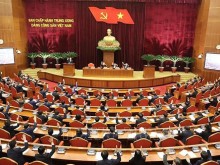
Conference reviews Party leadership on sending workers abroad
A conference was held in Hanoi on August 24 to review the 10-year implementation of a Directive of the

In a surprising turn of events, Keir Starmer has officially resigned as Prime Minister and leader of the Labour Party. This announcement has set the stage for a significant leadership transition within the party. Nominations for Starmer's replacement are set to open in two weeks, allowing Labour members to consider their options for the future leadership of the party.
Among the potential candidates, Andy Burnham has emerged as the overwhelming favorite. Many Labour MPs believe that Burnham's leadership could steer the party in a new direction, and speculation is rife about whether anyone will challenge him for the position. Historically, Burnham has been a prominent figure within the party, and his popularity suggests he could lead Labour effectively.
While Wes Streeting has previously indicated his intention to run for the leadership, some of his allies have hinted that he might reconsider, especially if Burnham offers him a significant role in his potential administration. This uncertainty leaves the door open for other candidates, particularly from the centre-right of the party, who may feel compelled to enter the race and challenge Burnham.
The upcoming weeks will be crucial for the Labour Party as it navigates this transition. With Starmer's resignation, the party has an opportunity to reassess its strategies and leadership dynamics. As discussions continue, all eyes will be on whether Burnham will face any serious competition or if he will be crowned the next Prime Minister without a contest.