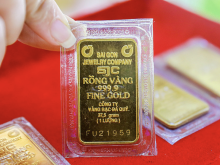
Gold Prices on July 19: Losses of 5.8 Million VND per Ounce
On July 19, investors faced significant losses in gold trading, with prices dropping by 5.8 million VND per

Gold prices have experienced a remarkable surge, exceeding $4,200 per ounce, driven by disappointing economic data from the United States. On August 5, gold prices rose by more than $150 in just one trading session, marking the highest level since early July. As reported by Gold Price, the price of gold reached approximately $4,247 per ounce, reflecting a nearly 4% increase from the opening price of $4,077 per ounce. Silver also saw a notable rise, climbing to $62.11 per ounce, an increase of about 4.1% from the start of the session.
The primary catalyst for this surge was the July employment report released by ADP, which indicated that the US economy added only 44,000 jobs, significantly below the market expectation of 75,000 jobs and lower than the revised figure of 95,000 jobs from the previous month. This data reinforces the perception that the US labor market is slowing down, leading to reduced expectations that the Federal Reserve will continue to raise interest rates in the near future.
According to the FedWatch tool from the Chicago Mercantile Exchange, the likelihood of the Federal Reserve increasing interest rates at the mid-September meeting has diminished following the ADP report. This development is particularly beneficial for gold, as lower interest rate expectations typically lead to a decrease in the real yield on US Treasury bonds, making gold, a non-yielding asset, more attractive to investors.
The increase in gold prices was further supported by the Institute for Supply Management's (ISM) report, which revealed that the Purchasing Managers' Index (PMI) for the services sector in July stood at 54.1, slightly below the expected 54.5. Although the index remains above the 50-point mark, the lower-than-expected result raises concerns about the US economy losing its growth momentum, reinforcing expectations that the Fed may adopt a more accommodative monetary policy if the slowdown continues.
Additionally, the decline in oil prices, influenced by positive diplomatic signals in the Strait of Hormuz, has also contributed to the favorable environment for gold. The Brent crude oil price dropped by over 2%, which could alleviate inflationary pressures and reduce the need for the Fed to maintain a tight monetary policy. While this is not the decisive factor, it still creates a more favorable environment for safe-haven assets like gold and silver.
After surpassing the $4,200 per ounce mark, gold prices have remained around the session's highs. Investors will continue to monitor upcoming US economic data, particularly the official employment report, to assess whether the upward momentum for precious metals can be sustained in the coming sessions.