Thailand's Football Decline: Excuses After Defeat to Vietnam
Thailand's football team faces criticism after their recent losses to Vietnam in the ASEAN Cup 2024. Many
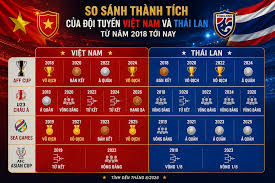
Thailand's football has seen a significant decline, particularly highlighted by their recent defeats to Vietnam in the ASEAN Cup finals. Many fans and analysts suggest that Thailand's claims of fielding a 'B team' are simply excuses for their ongoing struggles. Historically, Thailand dominated Southeast Asian football, but their last regional championship victory was in 2022 when they won the AFF Cup against Vietnam.
Since then, the performance of various Thai teams has been concerning. The U23 team has not won a gold medal at the SEA Games since 2017, and the U19 team has not claimed the U19 Southeast Asian Championship since 2017 as well. The U17 team has also been unsuccessful since 2015. At the Asian level, Thailand's national team barely avoided elimination from the Asian Cup 2027 qualifiers, relying on a surprising victory by Sri Lanka over Turkmenistan.
In contrast, Vietnam's football teams have been thriving. The national team recently won the ASEAN Cup 2024, the U23 team secured third place in the U23 Asian Championship, and the U17 team made history by qualifying for the U17 World Cup 2026. This stark contrast in achievements raises questions about the future of Thai football.
Despite fielding a nearly full-strength team in the ASEAN Cup 2024 finals, Thailand suffered defeats with scores of 1-2 and 2-3 against Vietnam. The Thai media and fans often refer to their 'A team' after losses, but the current squad lacks several aging veterans. The absence of a solid youth development system has also been highlighted as a critical issue. Dr. Chanwit Pholcheewin pointed out that Thai youth football is falling behind regional competitors due to outdated training structures and a lack of scouting.
Former coach Rangsivut Chalopathum echoed these concerns, stating that young Thai players are not being taught essential skills, leading to a lack of adaptability on the field. He lamented that teams in the region no longer fear facing Thailand, which was not the case in the past.
While Thailand is still ranked first in Southeast Asia according to FIFA rankings, this does not accurately reflect the internal issues plaguing their football. The decline has been gradual, evident in their poor performances at both national and youth levels. The concept of an 'A team' appears to be a cover for the team's shortcomings.
In contrast, Vietnam's football has thrived under the management of South Korean coaches, particularly Park Hang Seo, who has led the national team to numerous successes since late 2017. The stability and clear philosophy in Vietnam's football management have been pivotal in their rise.
Thailand's frequent coaching changes, including the recent appointment of English coach Anthony Hudson, have not provided the stability needed for success. The lack of a coherent footballing identity since the departure of former coach Kiatisuk has left the team struggling to find its footing.
As Thailand grapples with its footballing identity and youth development issues, it must learn from Vietnam's progress, which has been bolstered by robust youth academies like PVF. The integration of both local and naturalized players has also strengthened Vietnam's national team.
Until Thailand stabilizes its football identity and improves its youth training, it seems likely that Vietnam will continue to lead Southeast Asian football.