Thailand National Football Team Prepares for AFF Cup 2026
The Thailand national football team is set to face Laos in their opening match of the AFF Cup 2026. With a
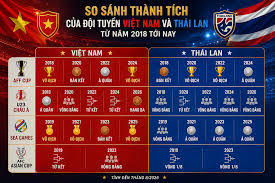
Thailand's football team is experiencing a significant decline, as evidenced by their recent defeats to Vietnam in the ASEAN Cup 2024. Critics argue that the team's claims of fielding a 'B team' are merely excuses for their poor performance. Historically, Thai football has dominated Southeast Asia, but the last time any Thai national team won a regional championship was in 2022 when they claimed the AFF Cup title against Vietnam.
Since then, the situation has worsened. The U23 team has not won a gold medal at the SEA Games since 2017, and the U19 team has not triumphed in the U19 Southeast Asian Championship since 2017 as well. The U17 team has also failed to secure a championship since 2015. Furthermore, the national team nearly faced elimination from the Asian Cup 2027 qualifiers, only avoiding this fate thanks to an unexpected win by Sri Lanka over Turkmenistan.
In stark contrast, Vietnam's football scene has been flourishing. The national team recently won the ASEAN Cup 2024, and the U23 team secured third place in the U23 Asian Championship. Additionally, the U17 team made history by qualifying for the U17 World Cup 2026. This upward trajectory highlights the growing gap between Thai and Vietnamese football.
Despite fielding a nearly full-strength squad in the ASEAN Cup final, Thailand suffered defeats of 1-2 and 2-3 against Vietnam. Fans and media often refer to the 'A team' following these losses, yet the squad was missing only a few aging players who are past their prime.
Experts have pointed out that Thai football is lagging behind its regional counterparts, particularly in youth development. Dr. Chanwit Pholcheewin has emphasized the need for improved training facilities and scouting networks to nurture young talent. He noted that the current training structure is outdated, leading to a lack of individual skills among young players.
Former coach Rangsivut Chalopathum echoed these sentiments, stating that the rigid training methods hinder players' adaptability on the field. He lamented the loss of fear that other regional teams once had when facing Thailand, indicating a significant shift in the competitive landscape.
Although Thailand remains at the top of the FIFA rankings in Southeast Asia, this does not reflect the underlying issues within the football system. The decline has been gradual, marked by poor performances at both the national and youth levels.
In contrast, Vietnam has benefitted from stable management and a clear development philosophy under coach Park Hang Seo since late 2017. The Vietnamese team has achieved remarkable success, including winning the AFF Cup in 2018 and reaching the quarter-finals of the Asian Cup in 2019.
Thailand's frequent changes in coaching staff have prevented the establishment of a coherent football identity. The team has cycled through various coaches, including Japanese and European hires, but has struggled to find a successful formula since the departure of coach Kiatisuk.
As Thailand grapples with its football identity crisis, it is clear that Vietnam's commitment to developing youth talent and integrating players into a cohesive system has given them the edge. The emergence of well-structured youth academies in Vietnam, such as PVF, has set a standard that Thailand must strive to meet if they hope to reclaim their status as the leading football nation in Southeast Asia.