Sleep Quality Linked to Longevity: Signs to Watch For
Recent studies highlight the crucial link between sleep quality and longevity. Experts warn that certain
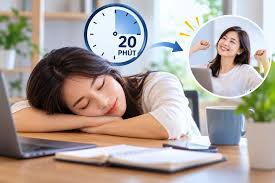
Daily napping has become a topic of interest as many seek ways to enhance their productivity and well-being. Experts agree that a short nap can provide several benefits, including improved mood, increased alertness, and restored energy levels. However, the timing and duration of these naps are essential to avoid potential downsides.
According to sleep specialist Dr. Allison Brager, a brief nap can significantly enhance mood and physical performance, particularly during the afternoon when many people naturally feel drowsy due to their circadian rhythms. A nap lasting around 20 minutes is often recommended for those looking to regain alertness without entering deeper sleep stages, which can lead to grogginess.
Dr. Eric Zhou, another sleep expert, highlights that napping can help restore both mental and physical energy, allowing individuals to function more effectively throughout the day. Additionally, proper napping can help regulate emotional balance, reducing irritability and enhancing overall mood.
However, not everyone wakes up feeling refreshed after a nap. Some individuals may experience sleep inertia, a state of grogginess that can occur if they wake up during a deeper sleep phase. Dr. Brager notes that longer naps, particularly those exceeding 30 minutes, can lead to this feeling of lethargy. Therefore, for those who only need a quick boost, a 20-minute nap is often the best choice.
Another concern is that napping too long or too late in the day can negatively affect nighttime sleep. Dr. Zhou advises that if napping interferes with an individual’s ability to fall asleep at night, it may be wise to shorten nap duration or eliminate it altogether. Ideally, naps should be taken in the early to mid-afternoon rather than close to bedtime.
For those who wish to incorporate napping into their routine, it is advisable to set an alarm for about 20 minutes and find a quiet, comfortable space with minimal light. Napping should not be seen as a substitute for adequate nighttime sleep. Adults should prioritize maintaining a healthy sleep schedule at night.
In conclusion, while napping can be beneficial, it is not necessary for everyone. If an individual feels the need to nap, a short rest of around 20 minutes in the early afternoon can help enhance alertness without significantly disrupting nighttime sleep.