Royal rite held at Imperial Citadel of Thăng Long to welcome Tết
The Thăng Long – Ha Noi Heritage Conservation Centre held the ancient Thăng Long royal rite to celebrate the
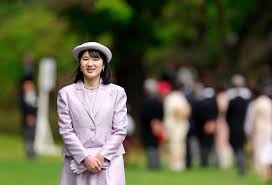
Japan has recently made a significant amendment to its royal law, allowing princesses to maintain their titles after marrying commoners. This change, approved by the Japanese parliament on July 17, marks the first revision of the royal law since 1947 and seeks to counteract the dwindling size of the imperial family, which has been a continuous lineage for over 2,600 years.
According to the Japanese constitution, the emperor serves as a symbol of the nation without holding political power. All internal matters concerning succession and royal membership are governed by the royal law. The new amendment introduces two groundbreaking solutions aimed at addressing the crisis of insufficient royal family members.
Firstly, it allows female members of the imperial family to retain their titles after marrying commoners. This new regulation reverses the previous law that forced Princess Mako to leave the royal family and relinquish her title when she married a commoner in 2021. However, under the new law, the husband and children of the princess will not be recognized as members of the royal family.
Secondly, the amendment permits men from 11 former branches that were abolished after World War II to re-enter the royal family through adoption. Despite these changes, the law still maintains the prohibition against women ascending to the throne. Therefore, Princess Aiko, the only daughter of Emperor Naruhito, remains ineligible to inherit the throne from her father.
Currently, the list of eligible heirs to the Japanese throne includes three individuals: Crown Prince Fumihito, 60, the emperor's younger brother; Prince Hisahito, 19, the son of Crown Prince Fumihito; and Prince Hitachi, 90, the emperor's uncle. Observers warn that if Prince Hisahito does not have a son in the future, the male line of succession could face extinction.
The new law highlights a deep divide between the legislative will and the desires of the Japanese public. Prime Minister Sanae Takaichi and conservative leaders have staunchly defended the male-only succession rule, arguing that maintaining a male line of succession over 126 generations is crucial for the legitimacy and authority of the emperor. In contrast, a significant majority of the Japanese populace supports the idea of having a queen. A June survey by Mainichi Shimbun found that over 70% of participants favored women ascending to the throne, with another poll from Kyodo News reporting support as high as 83%.
Experts consider this amendment to the royal law to be historic, yet they view it as a temporary measure that does not fully resolve the pressing issue regarding the long-term future of the Japanese throne.