Vietnam's Government Plans to Finalize Local Administrative Reforms by 2026
Vietnam's Deputy Prime Minister Pham Thi Thanh Tra announced plans to complete the restructuring of local
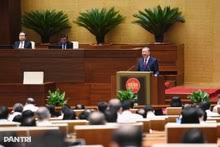
On July 1, 2026, during a national conference, General Secretary and President To Lam emphasized the importance of reviewing the organizational structure and staffing of local administrative units based on population size, area, and workload. The conference aimed to evaluate the implementation of a new governance model across three levels of government.
One of the significant outcomes of this review is the identification of 705 local administrative units that are not meeting the established standards. This situation highlights the need for a more tailored approach to governance, avoiding a one-size-fits-all model.
To address these issues, the government has outlined several key results from the reform process. Firstly, there has been a notable restructuring of the political system, making it leaner and more coordinated. This has involved reducing intermediate levels and clarifying the functions and responsibilities of various agencies.
Secondly, legal frameworks and administrative procedures have been improved to enhance efficiency and transparency. The local governance model is also beginning to stabilize, ensuring that public services and social security are maintained without gaps in management.
However, challenges remain. The capacity of local officials, especially at the commune level, has not kept pace with the increased responsibilities. Many officials are overburdened and lack specialized training in critical areas such as land management and urban planning.
Furthermore, the distribution of resources and staffing levels in some regions has not accurately reflected the diverse needs based on population density and local conditions. The government has recognized the necessity for a more nuanced approach to staffing and resource allocation.
To move forward, the government plans to focus on enhancing the operational quality of the new governance model, ensuring that local units are adequately equipped to meet their responsibilities. This includes developing a skilled workforce capable of handling the complexities of modern governance.
In conclusion, while the identification of 705 underperforming local units presents a significant challenge, it also offers an opportunity for meaningful reform and improvement in Vietnam's local governance.