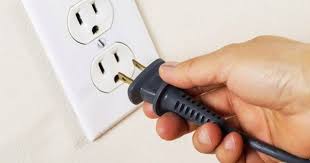
In Vietnam, a significant number of families maintain the habit of keeping electrical devices plugged in overnight, often without realizing the associated risks and energy wastage. According to experts, there are three common devices that should be unplugged before going to bed.
1. Phone and Laptop Chargers
Chargers for phones and laptops are often left plugged in even after the devices are fully charged. While the energy consumption of a charger is relatively low, it still draws power in standby mode, leading to unnecessary energy loss. Additionally, prolonged exposure to heat and humidity can increase the risk of damage. Therefore, it is advisable to unplug chargers after use.
2. Electric Kettles
Electric kettles are high-power devices, typically consuming between 1,500W and over 2,000W. Many users believe that once the kettle has boiled water, it can be left plugged in without risk. However, continuous plugging can pose safety hazards, especially if there are electrical faults or moisture in the outlet. Unplugging the kettle after use not only ensures safety but is also a recommended practice by many appliance experts.
3. Rice Cookers
Many households leave rice cookers on warm mode overnight, which, although not consuming a lot of power, still results in continuous energy use. If the rice has already been eaten or there is no further need for cooking, unplugging the rice cooker can help avoid unnecessary energy consumption and maintain the quality of the food.
Should You Unplug All Devices Before Sleeping?
While it is beneficial to unplug certain devices, not all should be disconnected regularly. Devices designed for continuous operation, such as refrigerators and some security systems, require a stable power supply. Furthermore, frequently plugging and unplugging devices may lead to wear and tear on outlets and plugs. It is essential to distinguish between devices that need to operate continuously and those that can be unplugged when not in use.
For devices like phone chargers, electric kettles, and rice cookers, unplugging them when not in use is a good habit. This practice not only reduces standby power consumption but also minimizes the risk of electrical faults, overheating, or component damage due to unstable power supply. Taking a few seconds each night to check and unplug unnecessary devices can enhance household safety and promote long-term energy savings.