Migration and the ‘sleeping villages’
(VAN) The phenomenon of migration is two-way (rural - urban, urban - rural), leaving behind consequences of
Travel means something different to everyone. It’s not just shaped by personal preferences but by deep cultural histories and national landscapes. For a traveller from Vietnam, the thrill of an urban skyline or the pace of city life can offer a refreshing break from rural routines. In contrast, many British holidaymakers find themselves drawn toward countryside escapes, winding lanes and quiet corners far from the urban noise.
The City as a Destination in Vietnam
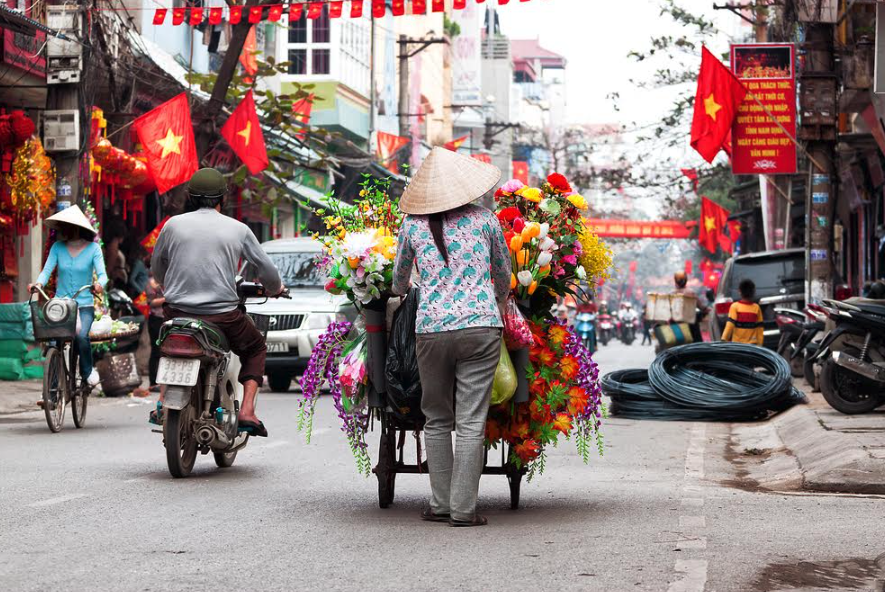
Vietnam is still a largely rural country, despite rapid development and urbanisation in recent decades. A significant portion of the population lives outside major metropolitan areas, maintaining strong connections to agricultural traditions and community-based rural life. For many Vietnamese, the city is a place of novelty and opportunity. Travelling to Ho Chi Minh City, Hanoi, or Da Nang is not simply about sightseeing; it’s about experiencing a different pace, enjoying modern luxuries and indulging in entertainment and shopping that’s often unavailable in rural provinces.
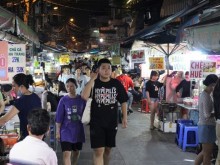
Street food, which is famously associated with Vietnamese cities, becomes part of this urban adventure. For rural travellers, sitting in a crowded alley with a bowl of pho or exploring a night market in the city centre can feel like an essential break from the familiar rhythm of the countryside. This shapes domestic tourism within Vietnam. The urban areas are vibrant magnets pulling people from quieter regions, offering something aspirational and exciting.
The Rural Retreat in the UK
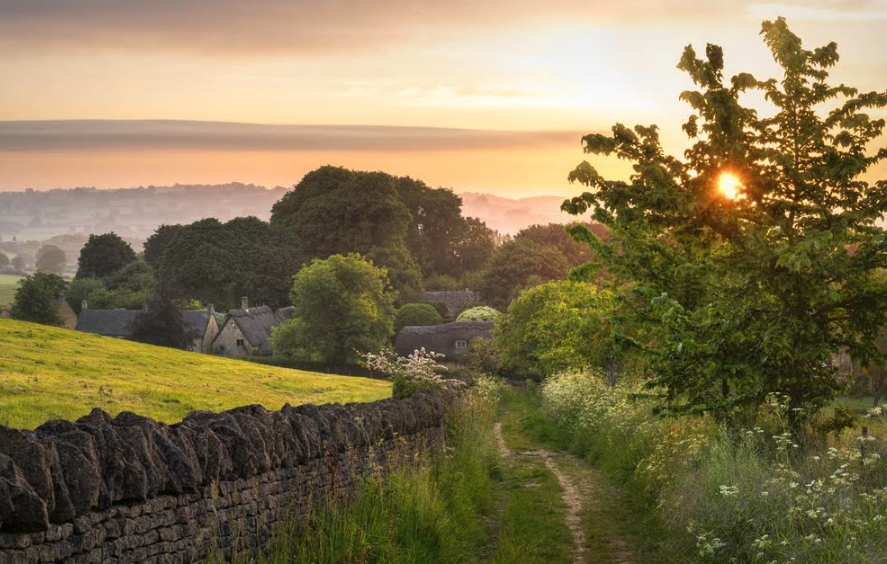
Across the UK, the trend is almost completely reversed. Over 80% of the population lives in urban areas and rural life is not a current reality for most. Farms and small villages may evoke nostalgia, but for many, they are far removed from day-to-day life. As a result, the countryside is romanticised as a haven of peace, privacy and clean air. When British families or couples plan holidays, they often look for a change in pace from dense cities and sprawling suburbs, choosing instead to slow down somewhere green and quiet.
This has given rise to a strong culture of rural holidaying in the UK. From cozy cottages to remote hiking trails, the ideal British holiday often involves nature, space and silence. One of the more accessible and flexible ways to experience this is through caravan holiday parks, which allow people to own or rent holiday homes in picturesque locations. These parks provide all the comforts of home but within walking distance of scenic landscapes, riversides, or forests. They represent a form of escape that feels attainable and distinctly British.
Travel Aspirations Shaped by Reality
These contrasting holiday patterns are rooted in what is familiar and what is desired. In countries where rural life remains common, the city becomes the aspiration. The buzz of neon lights, glass towers and bustling commercial centres provides a dramatic shift from the everyday. On the other hand, in countries where urban living is the norm, nature becomes the fantasy. Clean horizons, stillness and the absence of digital distractions appeal to those saturated by city living.
This isn’t to say that one type of travel is superior to another. Instead, it highlights how deeply travel is connected to our sense of place. For a Vietnamese tourist, travel might be about immersion in culture and connection to modernity. For a British tourist, it may be about solitude and a reconnection with simpler pleasures.
Globalisation and Blurring Boundaries
As globalisation continues to shape travel habits, these lines are beginning to blur. Urban Vietnamese professionals now explore rural wellness retreats or eco-tours, while British tourists seek cultural immersion in Southeast Asia’s cities and countryside alike. Social media has also amplified this shift, exposing travellers to diverse holiday ideas beyond their traditional boundaries.
Where we choose to travel and how we choose to travel isn’t just about location. It’s about identity and what we yearn to experience.