Heineken Pickleball World Cup 2026 to Attract 5,000 Athletes
The Heineken Pickleball World Cup 2026 will take place in Da Nang, Vietnam, from August 30 to September 6,
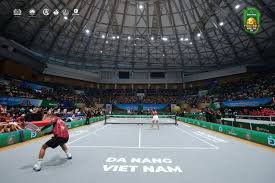
The Heineken Pickleball World Cup 2026 has seen Vietnam emerge as a dominant force, leading the medal tally with an astounding 116 gold medals. This figure starkly contrasts with South Korea's 11 and the United States' 9, suggesting Vietnam's overwhelming presence in the competition. However, it's essential to understand that these numbers do not merely reflect the strength of national teams but rather the extensive structure of the tournament.
The World Cup is not limited to national teams competing in a few events; it encompasses a multi-tiered competition system that includes categories for Pro, Amateur, Junior, and various age groups. This structure results in a unique medal tally that differs significantly from traditional sports events like the Olympics or the Asian Games.
In the national category, the competition features Open, Seniors, Masters, Juniors, and Kids teams, while the individual events are divided into numerous categories based on skill level, age, and gender. This broad classification allows for a substantial number of medals, especially in the Amateur and Junior divisions, where Vietnam has excelled.
In the Amateur category alone, Vietnam has secured over 60 gold medals across various events, including singles and doubles for different age groups. Additionally, the Junior category has seen Vietnam win 16 championships, showcasing the country's depth in talent.
It's crucial to note that the 116 gold medals do not equate to 116 victories in national team matchups. For instance, during the finals of the Junior category, Vietnam faced the United States, where the U.S. ultimately claimed the championship. This illustrates that while Vietnam leads in the overall medal count, the competition in specific matches can be fierce and competitive.
The unique structure of the Heineken Pickleball World Cup means that the medal tally reflects the extensive participation and achievements across a wide array of events rather than a straightforward ranking of national strength. With around 5,000 athletes from over 80 countries participating in this first-ever World Cup held in Asia, the event has showcased a diverse range of talent and competition levels.
The excitement witnessed in Da Nang, where crowds cheered for their teams, emphasizes that the true essence of a World Cup lies not in the total number of medals but in the quality of matches, the diversity of participants, and the competitive spirit displayed throughout the tournament.