Carlo Ancelotti to Continue as Brazil's Head Coach
Despite Brazil's early exit from the 2026 World Cup, Carlo Ancelotti will remain the head coach of the
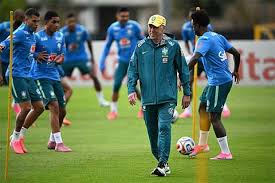
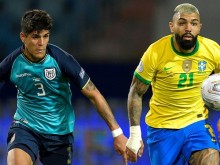
The Brazilian national football team faced a shocking exit in the 2026 World Cup, being eliminated in the Round of 16 by Norway. This marked their worst performance in the tournament since 1990, prompting a significant response from new head coach Carlo Ancelotti. Rather than opting for minor tactical adjustments, Ancelotti has chosen to initiate a complete overhaul of the team, laying the groundwork for a new era for the Selecao.
The World Cup in North America not only ended in disappointment but also forced Brazil to confront the reality that a generation of players has reached its conclusion. With five World Cup titles, the team's early exit is more than just a setback; it serves as a stark warning about their decline. Ancelotti recognizes that the challenges facing Brazil cannot be solved with mere tweaks; a complete rejuvenation is essential.
One of Ancelotti's first decisions involves reducing the roles of veteran players who have been instrumental for over a decade. Stars like Neymar, Casemiro, Danilo, Alex Sandro, and Fabinho are likely to conclude their international careers, having played pivotal roles in major tournaments. However, high-level football does not wait for anyone, and the team must adapt.
While Ancelotti will not entirely discard the old guard, he plans to build the team around a new core. Players such as Eder Militao, Gabriel Magalhaes, Bruno Guimaraes, Raphinha, and Vinicius Junior are identified as key figures in this new project. These athletes are either entering their prime or are already at the peak of their careers, possessing the necessary experience from top European clubs while still having many years ahead of them.
Bruno Guimaraes is emerging as a potential future leader. Should Marquinhos retire from international duty, the 28-year-old midfielder is likely to take on the captaincy, given his stable performance and ability to connect with teammates. Alongside him, Raphinha and Vinicius are poised to take on greater responsibilities.
Ancelotti's revolution will not stop at replacing veterans; he also aims to pave the way for the next generation. Young talents like Matheus Cunha, Joao Pedro, Gabriel Martinelli, Savinho, Luiz Henrique, Yan Couto, and Wesley will need to step up and contribute significantly rather than merely serving as backup options. The average age of this group is around 26, indicating that Brazil still has ample room for development if they maintain their progress.
Looking further ahead, emerging stars like Estevao, Endrick, and Rayan are not expected to shoulder immediate responsibilities but will be given more opportunities to gain experience. Ancelotti understands that to build a competitive squad for the 2030 World Cup, preparations must begin now.
Brazil has not lifted a major trophy since winning the Copa America in 2019, and their last World Cup victory dates back to 2002. This lengthy gap is concerning for the most historically successful team in football. Thus, the current overhaul is not merely an option but a necessary requirement.
The 2028 Copa America will serve as Ancelotti's first major test. While the results of this tournament will not solely determine the success of his project, they will reflect whether Brazil has truly rediscovered its identity and competitiveness or continues to struggle on its path back to the top. For the Selecao, the goal is not just to rejuvenate the team but to build a generation capable of making the yellow and green jersey a formidable presence in world football once again.