The Fearsome Warriors of Norse Legend: The History and Culture of the Vikings
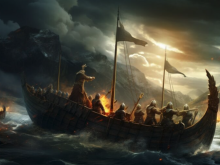
When most people think of the Vikings, images of fierce Scandinavian warriors raiding coastal settlements
When we think about the Vikings, images of fearsome warriors braving stormy seas and fierce battles often come to mind. Their daring raids and exploration of distant lands seem almost superhuman. What inner drive allowed these Norsemen to perform such acts of bravery when facing danger and death? Through their myths and spiritual beliefs, the Vikings developed a profound symbol for the courage that guided them - one that came from within.
Beyond their formidable skills and fearsome reputation, the Vikings possessed an inner flame of courage and resolve that burned brightly when all seemed lost. This spiritual fire was fanned by their unique worldview which saw Fate as immutable but Valor as a path to glory in the afterlife. At the heart of the Norse symbol for courage was their notion of wyrd - the concept that one's destiny was ordained yet still within one's power to influence through bold and honorable deeds. This belief in taking command of one's destiny, rather than acquiescing to inevitability, stoked the Viking spirit when facing trials that would cripple lesser men.

Central to the Vikings' perception of courage was their perception of fate as spun out by the Norns. In Norse myth, these three female demigoddesses - Urðr, Verðandi, and Skuld, roughly translating to "That Which Has Become", "That Which Is Becoming", and "That Which Shall Become" - wove the fates of men like threads on a vast cosmic loom. According to ancient texts like the Prose Edda, every human's lifespan was represented by a thread which the Norns would cut short or prolong as they willed, setting one's predestined death.
To the Vikings, this did not equate to resignation before the inevitable. Rather, it inspired them to make the most of the life granted to them, unafraid to test it against peril, as death's hour was fixed regardless. The belief that one thread of fate could not be altered fueled defiance in the face of certain doom. If the end was coming, better to meet it with valor and see if fortune could still be found, even in failure, than waste away waiting. No thread was too short if it was filled to the brim with noble and courageous deeds.
While fate ruled in the Norns' realm, the Vikings believed men still shaped the nature of their own wyrd, or personal destiny, through courageous action. Wyrd was a dynamic concept to them, not static like the simple thread metaphor implied. It could be steered down glorious or inglorious paths based on one's character when encountering hardship and hazard. A life spent boldly confronting challenges earned higher repute than one of quiet obscureness.
Central to their view of wyrd was braving danger with bravery and fortitude. Courage was the rudder guiding one's fate towards honor and remembrance. By meeting misfortune head on without flinching or doubt, Vikings believed they could influence their wyrd positively even in failure or defeat. A good death fighting valiantly still held meaning, and doorways to reward remained open so long as pride and mettle held strong to the end. Their inner fire of defiance against adversity is what the Norse most profoundly symbolized with the concept of courage.
To stay the flames of their courage burning white-hot even in the most punishing circumstances, the Vikings envisioned the sublime rewards awaiting the brave in the afterlife. Their mythological imagination created dazzling paradises to glorify those who faced death fearlessly. Foremost among these was Valhalla, the legendary hall of Odin where slain warriors feasted, drank and prepared for battle daily.
Chosen by the Valkyrie maidens to fill Valhalla's benches, those who died with weapons in hand on the field of glory enjoyed unspeakable pleasures for eternity. Never diminishing provisions and ale flowed without pause while old friends reunited to reminisce on fallen heroes. By day they would ride out again to do battle as if still living, and by dusk return unharmed to the gilded mead hall. There was no greater bliss a Norse warrior could conceive of to find in the beyond than Valhalla's unending joys.
But only the stoutest warriors had entrance to this paradise. It inspired a burning desire to sell one's life as dearly as possible in accordance to heroic pagan tradition. No shame or disgrace could be tolerated that marred a good death. When all hope seemed lost, at least one's courage and will could still deliver the honor required to gain Valhalla's mercy. The thought of residing there for all time was a solace that fortified brave men to persevere against any adversity. This belief in an afterlife earned through fearless sacrifice was the Vikings' most profound symbol of courage's eternal rewards.
On the other hand, failure to face wyrd with bravery risked an ignoble fate in Helheim – the fetid realm of the dead ruled over by the monstrous goddess Hel. While less concerned with punishment after death than Christian concepts of Hell, to the Vikings this dreary underworld still symbolized utter disgrace and meaningless obscurity in defeat. Wasting away without struggle or fanfare, one would find only bleak resignation and oblivion in Helheim's gloomy marshes and mires.
No valor, glory or remembrance awaited those who shied from danger or whose spirits broke under misery. All greatness, both in life and legend, demanded boldness when beset by hardship. Those resigning themselves passively to a lackluster wyrd condemned their souls to Helheim's grim resignation. It was seen as a wretched, unheroic end and drove Norse warriors to defy even death itself instead of accepting shadows without resistance. Their courage was the spiritual sword preventing ruinous dishonor at life's conclusion.
While today we no longer adhere to the Vikings' pagan worldview, much can still be understood from their profound symbol of courage which endures even into modernity. Despite inevitable Fate, people still shape their own destiny through character in adversity. Though rewards are uncertain, valor delivers inner strength to face uncertainty confidently when backed by willpower and bravery. And while Paradise may be but imagination, the courage to confront wyrd's perils fearlessly still delivers meaning even in potential failure or darkness ahead.
Perhaps above all else, the Norse taught perseverance in the face of The Unknown. By braving mystery's mysteries with resolution rather than avoidance, one could influence outcomes and leave an enduring mark through defiance of presumptions. Few things characterize human greatness more than willingness to test limits courageously despite inability to foresee benefit or hazard. In this deepest sense, the Viking symbol for courage - meeting wyrd unflinchingly through bravery of spirit - captures something profoundly inspiring within us all.